
More Pages of Information
Gear and Supplies
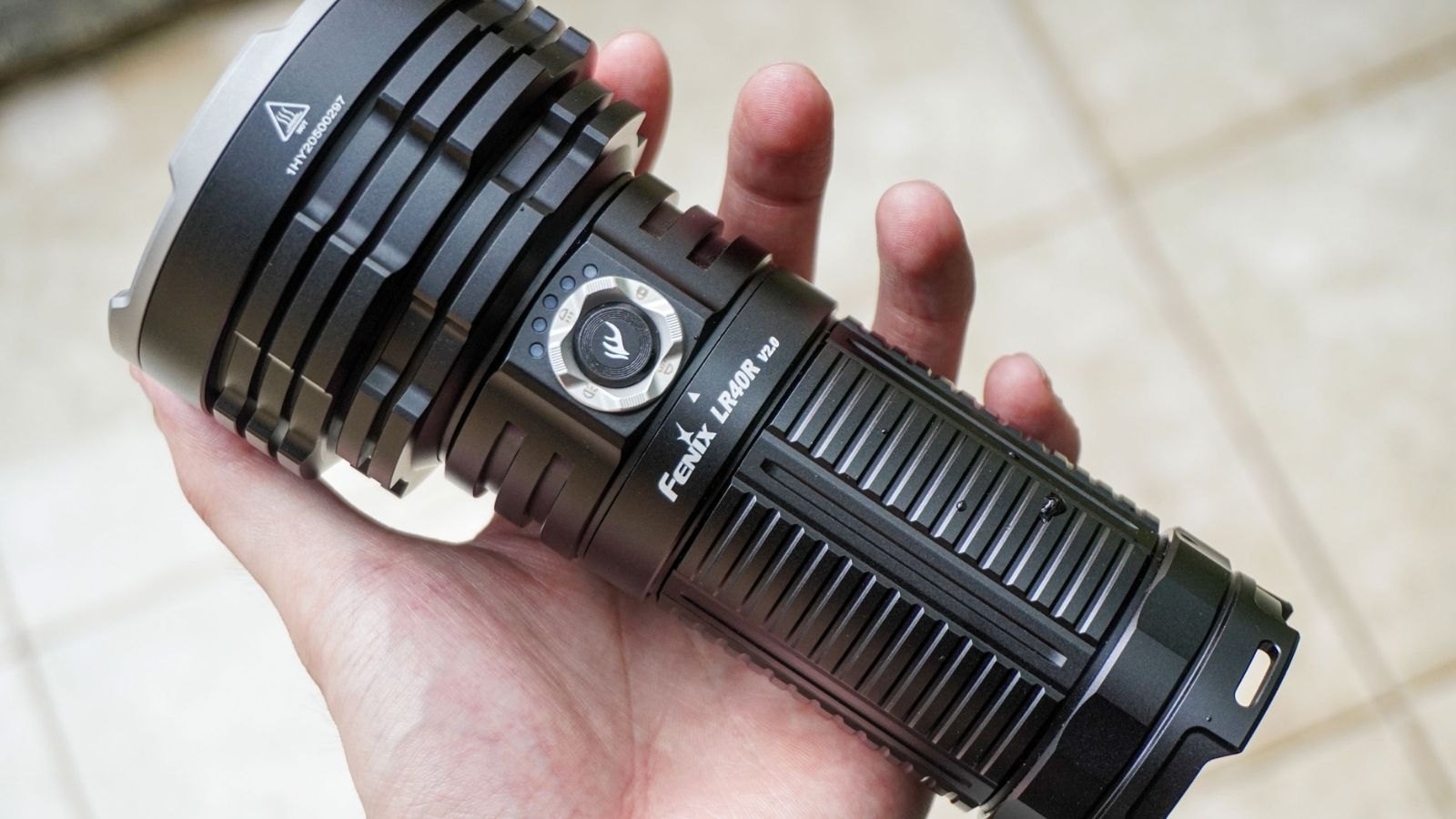
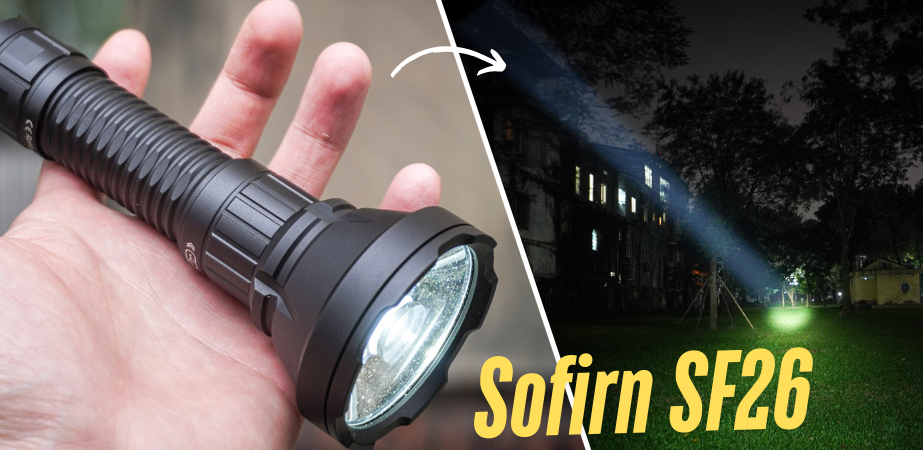
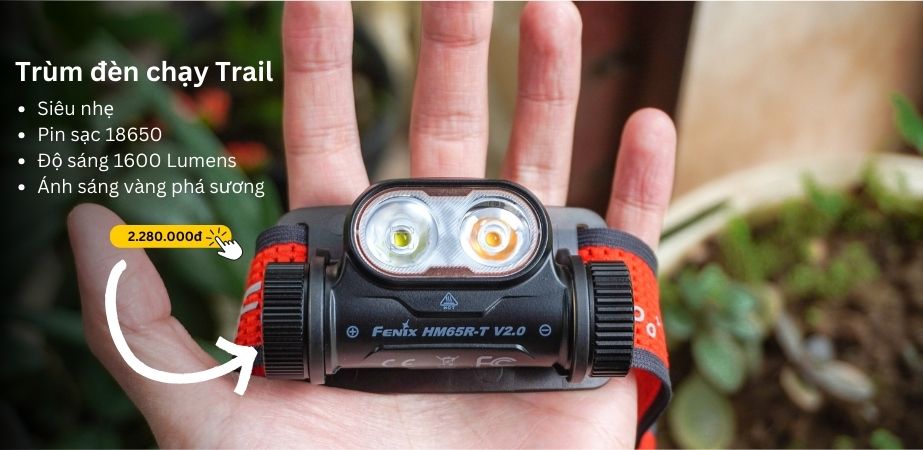
Flashlights are important. Everyone needs a flashlight.
Don't get stuck in the dark without a flashlight (or two).
Flashlights
It is recommended that TWO flashlights be the minimum for a home emergency kit. One very bright, and one long-lasting. The bright one is used outdoors, and the long-lasting flashlight can be used indoors or outdoors.
Brightness generally means the batteries will not last long. A less powerful light which runs for a long time is useful and best for use indoors and around a campsite.
Since battery life and availability are a concern in an emergency kit, LED flashlights are recommended. LED lights typically have longer battery life when compared to similar lights with an incandescent bulb (traditional flashlight bulb).
LED stands for "Light Emitting Diode", and refers to the physics behind the way that the light is created. Traditional flashlight bulbs create light by getting a wire filamant so hot that it glows.
Choose flashlights which use common batteries. The two common sizes are "D" and "AA". If your kit has two flashlights, you might as well have one D-cell flashlight and one AA-cell flashlight.
Since batteries ometimes "go bad" and leak battery acid, it is recommended that the batteries in your flashlights be inspected regularly. Leaking battery acid can ruin a flashlight. If flashlights and extra batteries are not going to be inspected regularly, consider storing your kit flashlights with no batteries in them. Also, store extra batteries in plastic bags so any leaking acid will be contained. Don't put all your extra batteries in one bag.
For AA-cell emergency flashlights, there is a good, but more expensive option. There are "lithium" AA batteries which are reported to last a lot longer in storage, and also are less prone to leaking. While they cost about three times as much as good alkaline batteries, they are a good choice for some situations.
If you will be putting two AA-cell flashlights in your car kit in your trunk and you *know* you might go two years between inspections, then spring for some lithium AA batteries. And spare alkalines should be in pairs in plastic bags. It is not just the leaking issue for the lithium choice, but also the increased chance of the flashlights actually being useful during an unexpected emergency situation.
For outdoor hiking or camping or hunting, always carry a mini-flashlight. Some AA-cell flashlights only hold one battery. A single-AA-cell LED flashlight is about the size of a shotgun shell. So there is not much excuse for not taking one along when walking in the woods.
Even a single-AAA-cell LED light would make a big difference if one is lost or stuck and had to be out after dark (unplanned).